
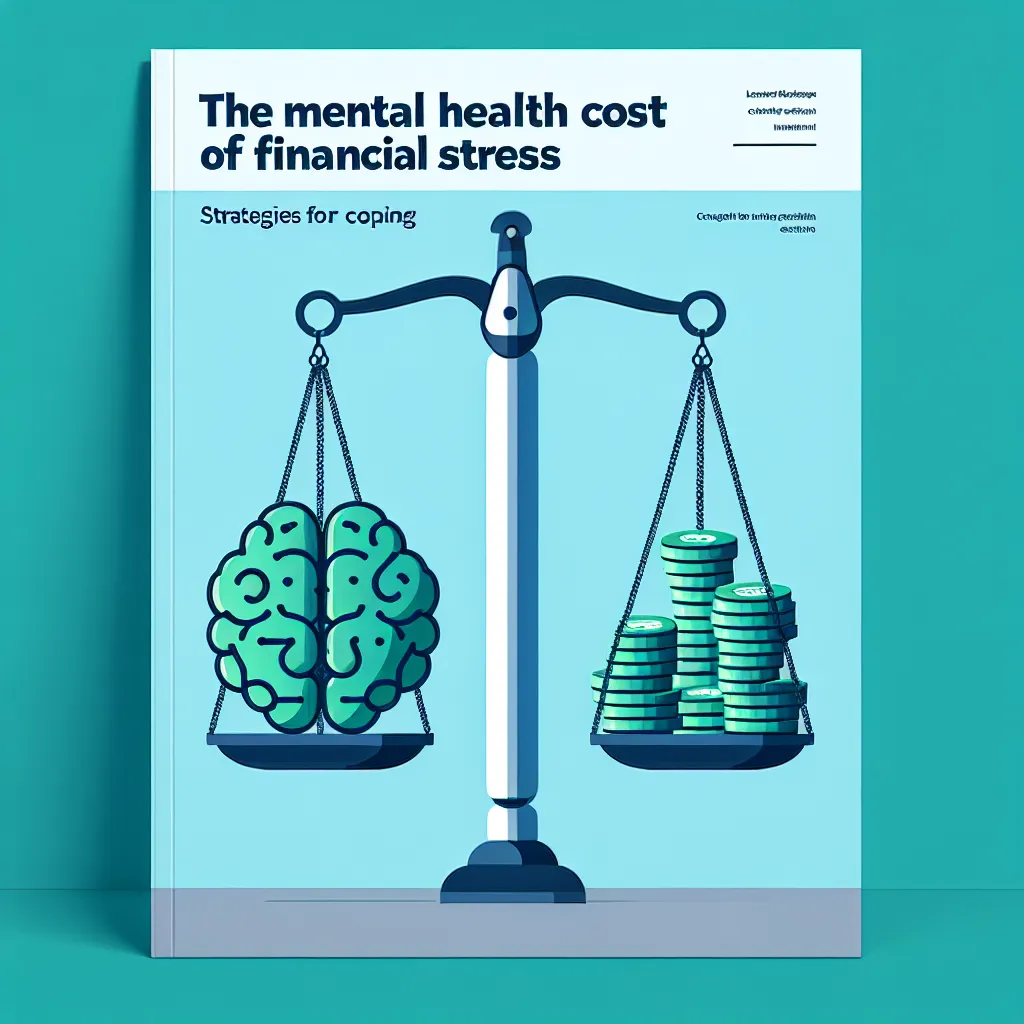
The Mental Health Cost of Financial Stress: Strategies for Coping
Financial stress can take a significant toll on one’s mental health. When facing financial difficulties, individuals may experience increased anxiety, depression, and overall emotional distress. It is crucial to address these issues and find healthy coping strategies to navigate through this challenging time. In this article, we will explore the mental health cost of financial stress and provide strategies for coping effectively.
Understanding the impact of financial stress on mental health is essential. Research has shown that individuals who are struggling financially are more likely to experience symptoms of anxiety and depression. The constant worry about money, the pressure to meet financial obligations, and the fear of not being able to make ends meet can lead to a decline in mental well-being.
Not only can financial stress affect your emotional health, but it can also impact your physical health. Chronic stress has been linked to a variety of health issues, including high blood pressure, heart disease, and obesity. It is crucial to take steps to manage your stress and protect your mental and physical well-being.
There are several strategies that you can implement to cope with financial stress effectively. One essential step is to create a budget and prioritize your expenses. By understanding your financial situation and setting financial goals, you can gain a sense of control over your finances and alleviate some of the stress associated with money.
Additionally, seeking support from friends, family, or a therapist can be helpful in managing financial stress. Talking about your feelings and concerns can provide emotional support and perspective. It is essential to remember that you are not alone in facing financial challenges and that there are resources available to help you through this difficult time.
Engaging in self-care activities is another crucial strategy for coping with financial stress. Taking care of your physical and mental well-being through exercise, meditation, or hobbies can help reduce stress and improve your overall mood. It is essential to prioritize self-care and make time for activities that bring you joy and relaxation.
In conclusion, the mental health cost of financial stress can be significant. It is essential to recognize the impact that financial difficulties can have on your well-being and take proactive steps to address these issues. By creating a budget, seeking support, and engaging in self-care activities, you can effectively cope with financial stress and protect your mental and physical health.
Remember, it is okay to ask for help and prioritize your well-being during challenging times. By taking care of yourself and implementing healthy coping strategies, you can navigate through financial stress and emerge stronger on the other side.
InvestsBlog
Sources:
Description: This article discusses the mental health cost of financial stress and provides strategies for coping effectively. It emphasizes the importance of recognizing the impact of financial difficulties on mental health and taking proactive steps to address these issues.
Tags: financial stress, mental health, coping strategies, budgeting, self-care.
Focus phrase: coping with financial stress.
