
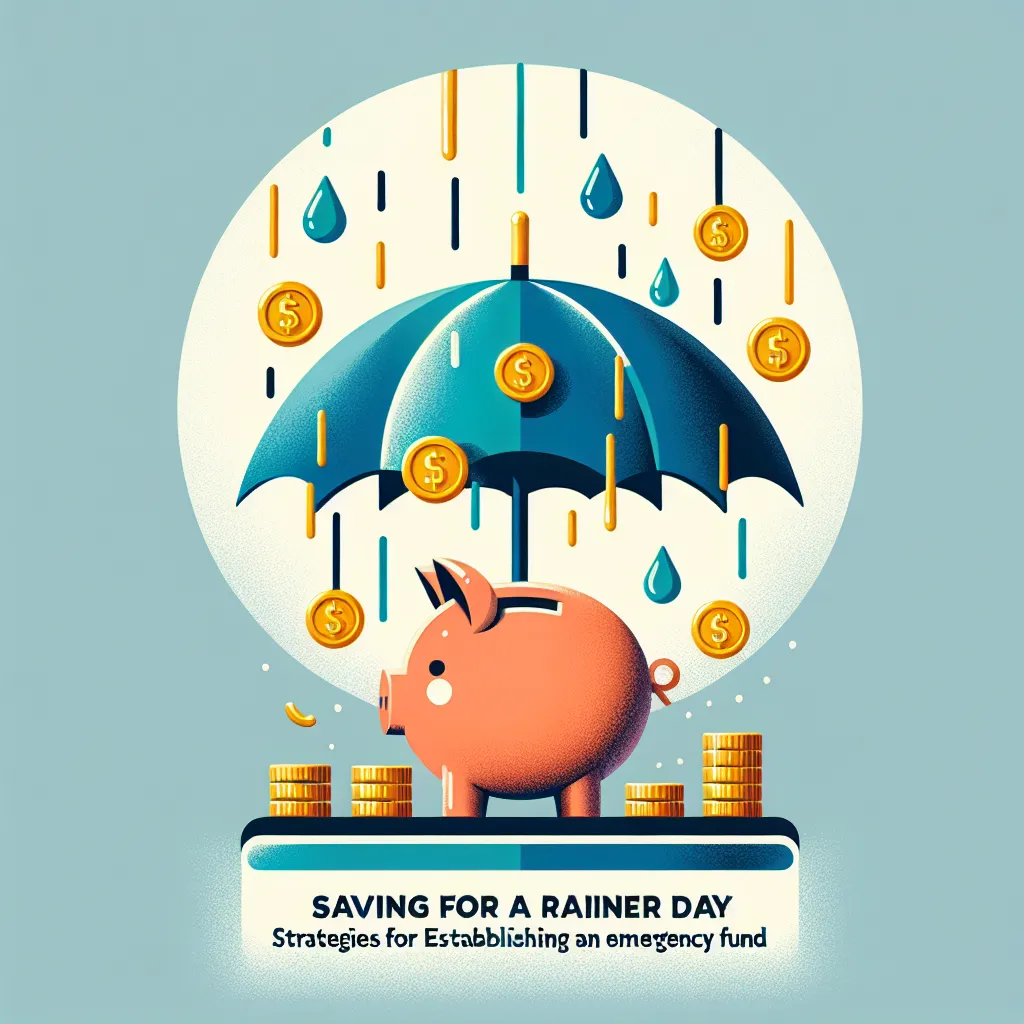
Saving for a Rainy Day: Strategies for Establishing an Emergency Fund
In today’s fast-paced world, it is essential to be prepared for unexpected financial challenges. One way to protect yourself from such situations is by establishing an emergency fund. This reserve of money can provide you with a financial cushion in times of need, ensuring that you can cover unexpected expenses without having to rely on high-interest loans or credit cards.
Setting up an emergency fund may seem like a daunting task, but with a solid plan in place, you can build up this essential safety net over time. In this article, we will explore some strategies to help you establish and grow your emergency fund.
Why Have an Emergency Fund?
Emergency funds are designed to cover unexpected expenses such as medical bills, car repairs, or sudden job loss. By having a financial cushion in place, you can navigate these unforeseen circumstances without derailing your long-term financial goals. Not only does an emergency fund provide peace of mind, but it also helps you avoid going into debt during challenging times.
How to Build Your Emergency Fund
- Set a Goal: Begin by determining how much you want to save in your emergency fund. Financial experts recommend setting aside three to six months’ worth of living expenses, but your goal may vary depending on your individual circumstances.
- Create a Budget: Take a close look at your income and expenses to identify areas where you can cut back and redirect funds towards your emergency fund. Creating a budget will help you track your progress and stay on target.
- Automate Your Savings: Set up automatic transfers from your checking account to your emergency fund to ensure that you are consistently saving money. By automating your savings, you can avoid the temptation to spend that money elsewhere.
- Start Small: If you are just starting to build your emergency fund, it’s okay to begin with small, regular contributions. Even saving $20 or $50 per paycheck can add up over time and get you closer to your savings goal.
- Earn Extra Income: Consider picking up a side hustle or selling items you no longer need to boost your emergency fund savings. Every little bit helps, and the extra income can accelerate your progress.
- Stay Committed: Building an emergency fund takes time and discipline, but the peace of mind it provides is well worth the effort. Stay committed to your savings goals and avoid dipping into your emergency fund for non-essential expenses.
- Monitor Your Progress: Regularly review your emergency fund balance and adjust your savings strategy as needed. As your financial situation changes, you may need to revise your savings goals or contributions.
In Conclusion
Establishing an emergency fund is a crucial step towards financial security. By following these strategies and staying committed to your savings goals, you can build a financial safety net that will protect you in times of need. Remember, it’s never too late to start saving for a rainy day!
InvestsBlog, your trusted source for finance education
Content sources:
– Personal finance experts
– Financial advisors
– Budgeting resources
Tags: emergency fund, savings, financial security, budgeting
