
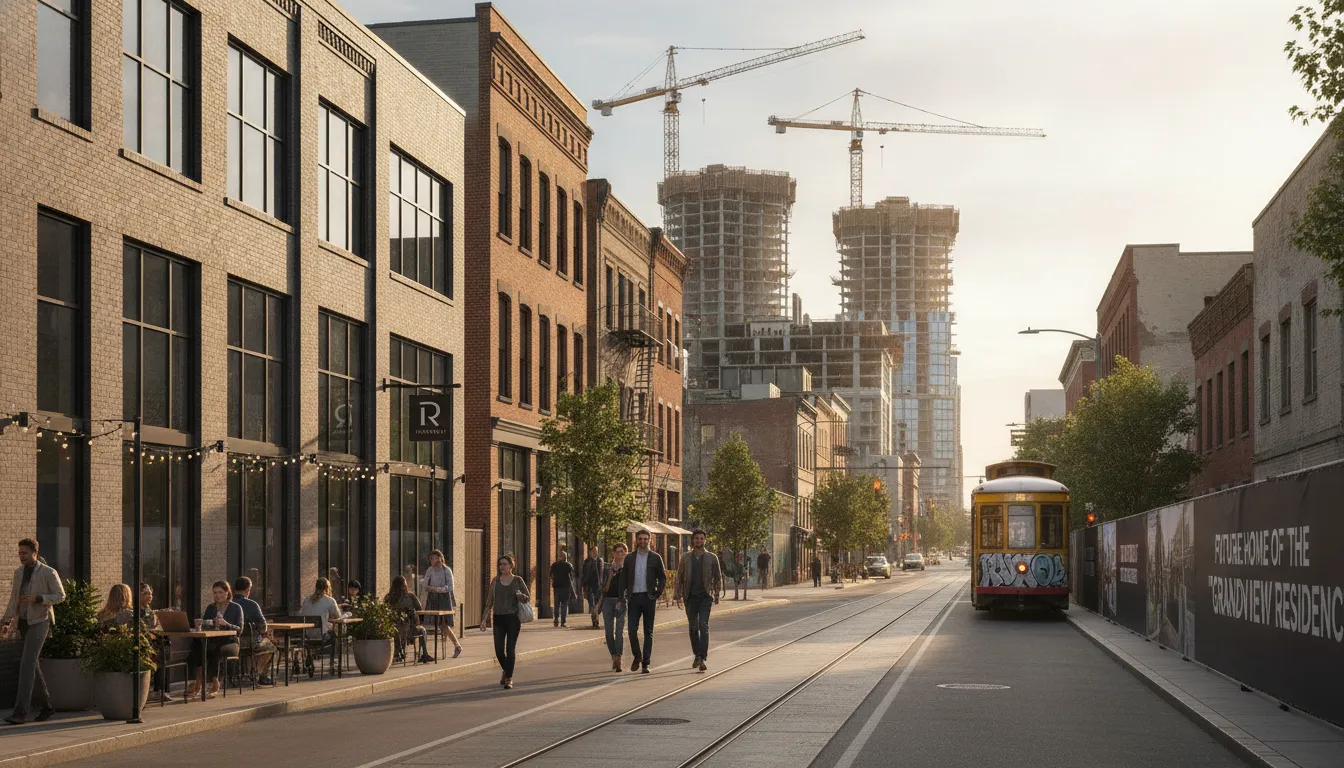
Location Still Wins: Reading the Signs of a Neighborhood About to Boom
In real estate, one truth has endured through every market cycle, economic shift, and technological revolution: location is everything. You can renovate a house, upgrade its finishes, and stage it beautifully, but you cannot pick it up and move it to a better street. The land beneath a property and the neighborhood surrounding it ultimately dictate its long-term value. Savvy investors have always understood this, which is why the ability to spot a neighborhood on the verge of a boom is one of the most valuable skills in wealth-building.
The challenge, of course, is timing. By the time a neighborhood becomes obviously desirable, prices have already surged, and the window for outsized returns has largely closed. The real opportunity lies in reading the early signs—the subtle indicators that a once-overlooked area is about to transform. This article will help you decode those signals so you can position yourself ahead of the crowd.
Why Location Remains the Ultimate Investment Factor
Property values are driven by demand, and demand is driven by desirability. A neighborhood’s proximity to jobs, schools, transportation, entertainment, and safety all contribute to how much people are willing to pay to live there. When these factors improve, prices climb, sometimes dramatically.
Unlike stocks or other assets that can be affected by countless invisible variables, real estate location factors are often observable to anyone paying attention. This makes neighborhood analysis one of the more accessible forms of investment research. As part of the trends reshaping how everyday people grow their wealth this year, understanding location dynamics gives ordinary investors a genuine edge.
Sign #1: Infrastructure and Public Investment
One of the most reliable predictors of a neighborhood boom is public and private infrastructure investment. When a city announces a new transit line, highway expansion, hospital, or major commercial development, it signals confidence in an area’s future.
Transportation improvements are particularly powerful. A new subway station or commuter rail stop can drastically reduce commute times, instantly making a formerly inconvenient neighborhood attractive to buyers and renters who work elsewhere. Pay attention to your local government’s capital improvement plans, which are often published online. According to the Brookings Institution, infrastructure investments consistently correlate with rising property values and economic activity in surrounding areas.
Sign #2: The Arrival of “Pioneer” Businesses
Certain businesses have a reputation for moving into undervalued neighborhoods just before they take off. Independent coffee shops, craft breweries, art galleries, yoga studios, and trendy restaurants are classic examples. These entrepreneurs seek affordable rents but also bet on foot traffic and rising demand.
When you see creative small businesses opening in a previously neglected area, take notice. They often attract a younger, higher-income demographic that values culture and lifestyle. This influx frequently precedes broader gentrification and rising home prices. The presence of a Whole Foods or a Trader Joe’s is often cited, half-jokingly, as a near-guarantee that property values will climb.
Sign #3: Demographic Shifts and Migration Patterns
Follow the people. When younger professionals, artists, and families begin moving into an area, they bring spending power and demand for services. Census data, school enrollment figures, and even social media activity can reveal these shifts.
Areas adjacent to already-expensive neighborhoods are especially worth watching. When one district becomes unaffordable, buyers naturally spill into the next-closest area, driving up prices there. This “ripple effect” is one of the most predictable patterns in urban real estate. Identifying the next neighborhood over from a hot market can be a highly effective strategy.
Sign #4: Renovation and Construction Activity
Take a walk through the neighborhood you’re considering. Are you seeing dumpsters in driveways, scaffolding, new roofs, and fresh coats of paint? Visible renovation activity indicates that owners and investors believe the area is worth improving.
Construction permits are a goldmine of information. Many municipalities make permit data publicly available, allowing you to track how much money is being invested in a given area. A rising number of permits for renovations and new builds is a strong bullish signal for future property values.
Sign #5: Declining Vacancy and Rising Rents
Rental markets often move faster than sales markets, making them excellent leading indicators. If vacancy rates are falling and rents are climbing, demand is outpacing supply—a precursor to rising home prices.
For investors focused on cash flow, this dynamic is particularly attractive. Rising rents in an appreciating neighborhood can create a powerful combination of income and equity growth. This aligns beautifully with the concept of building passive income streams anyone can start today, where real estate serves as a foundation for financial independence.
Sign #6: Government Incentives and Zoning Changes
Local governments sometimes designate areas for revitalization through tax incentives, opportunity zones, or zoning changes that allow for denser development. These policy shifts can unleash waves of investment.
Opportunity Zones, established under federal law in the United States, offer significant tax advantages to investors who put capital into designated low-income areas. You can research designated zones through the IRS and related government resources. Zoning changes that permit mixed-use development or higher density often trigger substantial appreciation as developers move in.
Doing Your Homework Before You Buy
Spotting the signs is only the first step. Before committing capital, you need to verify your observations with data and, ideally, boots-on-the-ground research. Visit the neighborhood at different times of day. Talk to local business owners and residents. Study crime statistics, school ratings, and historical price trends.
It’s easy to get caught up in excitement and rush a decision, but discipline matters. If you’re just getting started, remember the advice in this no-nonsense guide for beginners to actually start investing: education and action must go hand in hand. Analysis paralysis can be just as costly as reckless speculation.
The Long-Term Wealth Perspective
Investing in an up-and-coming neighborhood is not a get-rich-quick scheme. It requires patience, as neighborhoods can take years to fully transform. However, those who position themselves early often reap rewards that far exceed those available in mature, fully-priced markets.
This long-term mindset is exactly what separates successful investors from the rest. As explored in the mindset shift that sets financially free people apart, wealth is built through strategic patience and calculated risk rather than luck. And if you want to sharpen your skills further, consider learning from experts—just be sure to read how to turn one investment seminar into a lifetime of smarter decisions before signing up for any program.
Conclusion
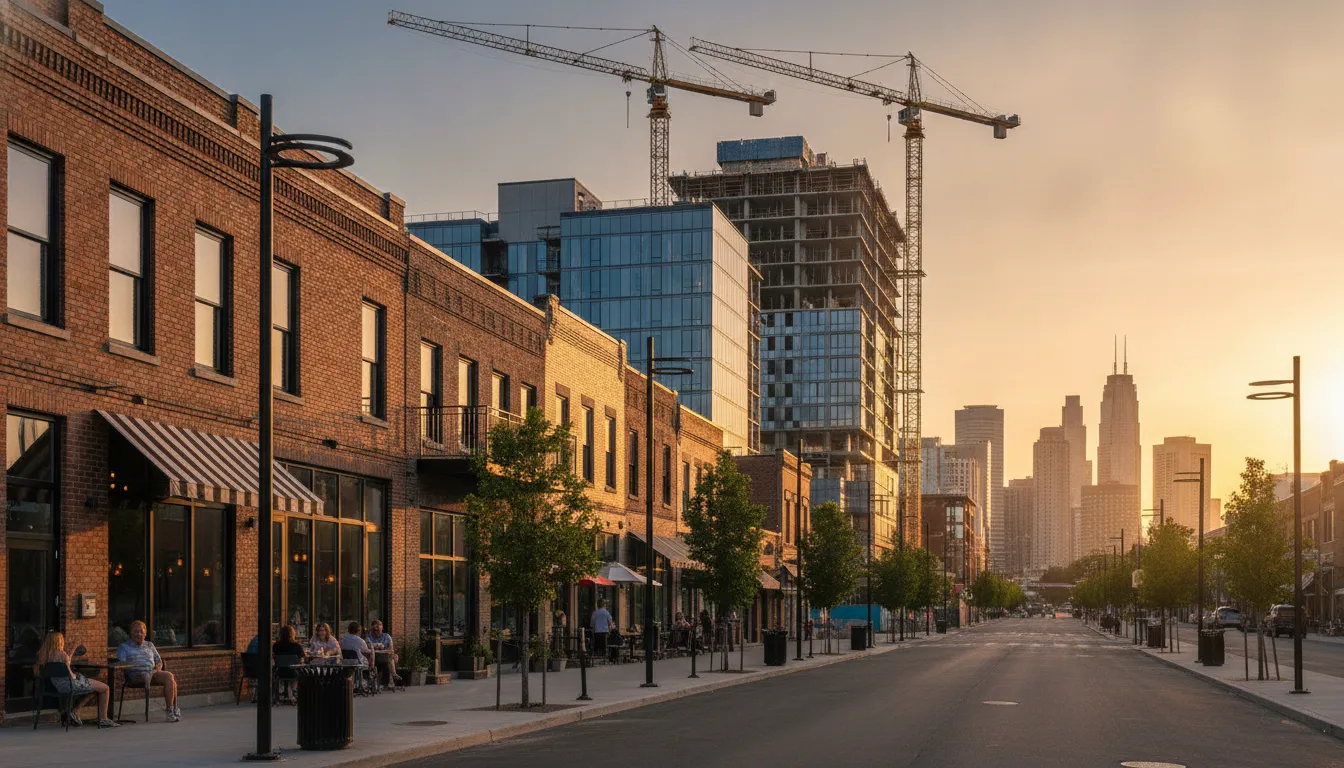
In an era of algorithmic trading, cryptocurrency, and endless investment fads, the timeless principle of location remains as powerful as ever. Real estate offers something rare: an asset class where diligent observation can reveal opportunities before the wider market catches on. By watching for infrastructure investment, pioneer businesses, demographic shifts, renovation activity, rising rents, and favorable policy changes, you can identify neighborhoods poised for growth.
The key is to look beyond the surface, do your research, and act with conviction once the signs align. Location still wins—and those who learn to read its language early will continue to build lasting wealth for generations to come.
