
Renting vs. Buying: Which Path Actually Builds More Wealth Over a Decade?
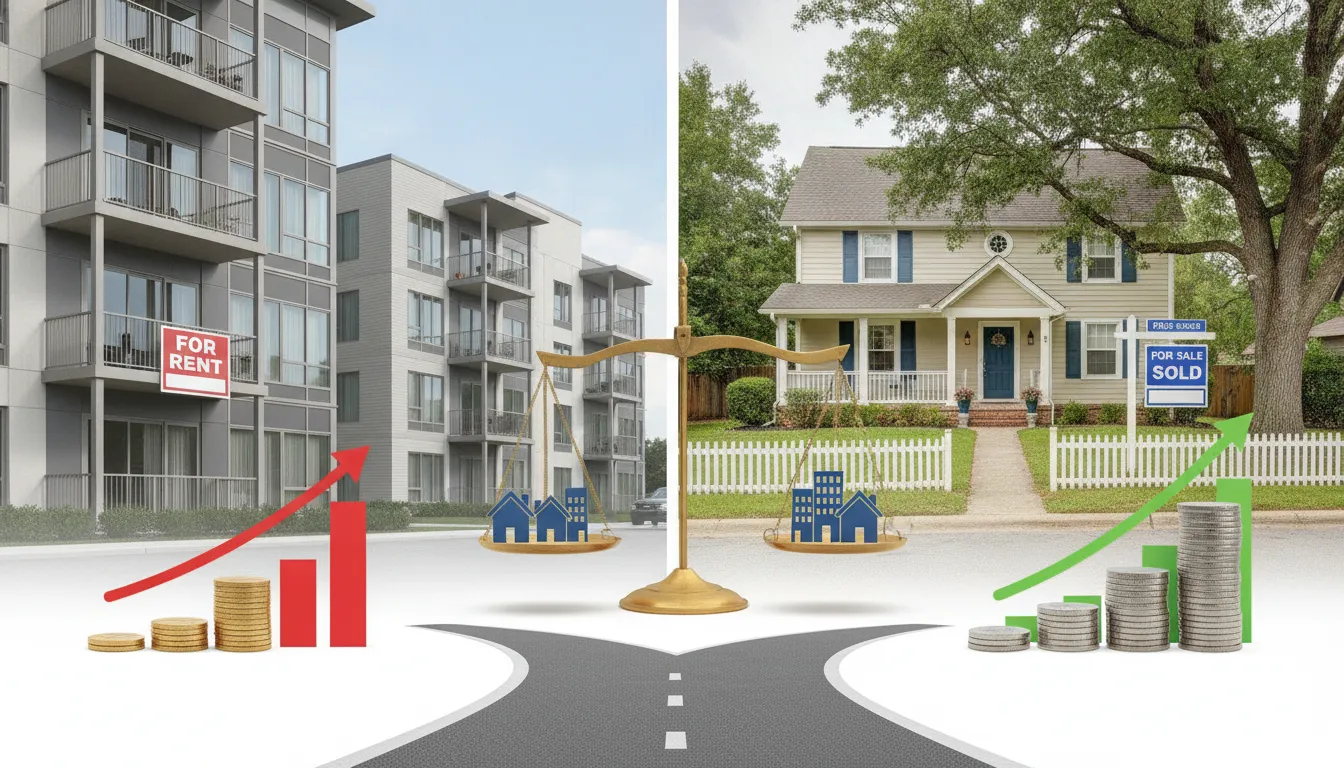
The debate between renting and buying a home is one of the most emotionally charged financial decisions most people will ever face. On one side, you have the age-old wisdom that owning property is the cornerstone of the American Dream and a guaranteed way to build wealth. On the other, a growing chorus of financial thinkers argues that renting frees up capital for investments that could outperform real estate entirely. So which path truly builds more wealth over a ten-year horizon? The answer, as you might expect, is more nuanced than a simple slogan. Let’s dig into the numbers, the assumptions, and the hidden factors that determine who comes out ahead.
The Case for Buying: Forced Savings and Appreciation
When you buy a home, every mortgage payment does two things: a portion goes toward interest (essentially the cost of borrowing), while the rest chips away at your principal. Over a decade, that principal reduction acts like a forced savings account. Instead of building equity for a landlord, you build it for yourself.
Historically, U.S. home prices have appreciated at roughly 3% to 4% per year over the long term, according to data from the Federal Housing Finance Agency. When you factor in leverage—the fact that you control an asset worth several times your down payment—that appreciation can translate into impressive returns on your invested capital. For example, if you put down $50,000 on a $250,000 home and it appreciates 4% annually, you’re earning that percentage on the entire property value, not just your initial cash.
There’s also the intangible benefit of stability. Homeowners lock in their principal-and-interest payment (with a fixed-rate mortgage), while renters remain exposed to rising rents year after year. As inflation pushes housing costs upward, that fixed payment becomes relatively cheaper over time.
The Hidden Costs Nobody Advertises
Buying isn’t the automatic wealth-builder that real estate agents make it out to be. The transaction costs alone are staggering. Closing costs typically run 2% to 5% of the purchase price, and when you sell, agent commissions can eat another 5% to 6%. Over a short holding period, these costs can wipe out any appreciation gains entirely.
Then there’s the ongoing burden: property taxes, homeowner’s insurance, private mortgage insurance (if your down payment is under 20%), and the ever-present specter of maintenance. Financial planners often estimate that homeowners should budget 1% to 2% of the home’s value annually for repairs and upkeep. A new roof, a failing HVAC system, or a burst pipe can cost thousands and doesn’t add a dime to your resale value—it merely maintains it.
These “phantom costs” are precisely why buying a home for less than five to seven years rarely makes financial sense. The decade-long window, however, gives appreciation and principal paydown enough time to overcome the friction of transaction costs.
The Case for Renting: Flexibility and the Investment Difference
Renting gets a bad reputation as “throwing money away,” but this framing ignores a critical concept: opportunity cost. When you rent, you avoid tying up a large down payment and you sidestep maintenance, property taxes, and transaction fees. The savvy renter takes the money they would have spent on those costs and invests it.
Consider that the S&P 500 has delivered average annual returns of roughly 10% before inflation over the long term. If a renter consistently invests the difference between their rent and the true cost of ownership into a diversified index fund, they could potentially outpace a homeowner’s equity gains. This is the heart of the “rent and invest the difference” strategy. If you’re new to this concept, our guide on how beginners can actually start investing breaks down the fundamentals.
Renters also enjoy unmatched flexibility. If a better job opportunity appears in another city, they can move without the burden of selling a property. This mobility can itself be a wealth-building tool, allowing renters to chase higher incomes and better opportunities.
Running the Numbers: A Decade-Long Comparison
Let’s imagine two people, each with $50,000 to deploy. Alex buys a $250,000 home; Jordan rents a comparable place and invests the $50,000, plus any monthly savings.
After ten years, Alex’s home might appreciate to around $370,000 (at 4% annual growth), with the mortgage balance significantly reduced. Alex’s equity could easily reach $150,000 or more. However, that figure must be reduced by a decade of property taxes, insurance, maintenance, and eventual selling costs.
Meanwhile, Jordan’s $50,000 invested at a 9% annual return would grow to roughly $118,000. If Jordan also invested an extra $300 per month (money Alex spent on taxes and maintenance), that additional contribution could add another $58,000 or so, pushing Jordan’s portfolio well past $175,000—and it’s liquid, unlike home equity.
The verdict hinges almost entirely on your local market, your discipline as an investor, and the assumptions you plug in. In high-appreciation markets, buyers often win big. In markets with flat prices and high rent-to-price ratios, renters who invest diligently frequently come out ahead.
Location Is the Ultimate Wildcard
No conversation about real estate wealth is complete without acknowledging that location dwarfs almost every other variable. A home purchased in an up-and-coming neighborhood can double in value while a similar home in a stagnant area barely keeps pace with inflation. Learning to spot these opportunities is a skill in itself—our article on reading the signs of a neighborhood about to boom explores exactly how to identify these hidden gems before prices surge.
The broader economic environment matters too. Interest rates, housing supply, and demographic shifts all influence whether buying or renting is favorable in a given year. Staying informed about the trends reshaping how everyday people grow their wealth can help you time your decision more effectively.
Beyond the Binary: A Hybrid Approach
Some of the wealthiest individuals refuse to see this as an either/or decision. They might rent where they live for flexibility while owning rental properties elsewhere to generate cash flow. Real estate can become a powerful engine of passive income, especially when rental yields are strong.
Ultimately, the “best” choice depends on your goals. If early financial independence is your aim, understanding the mindset shift that sets financially free people apart may matter more than whether you rent or own.
Conclusion
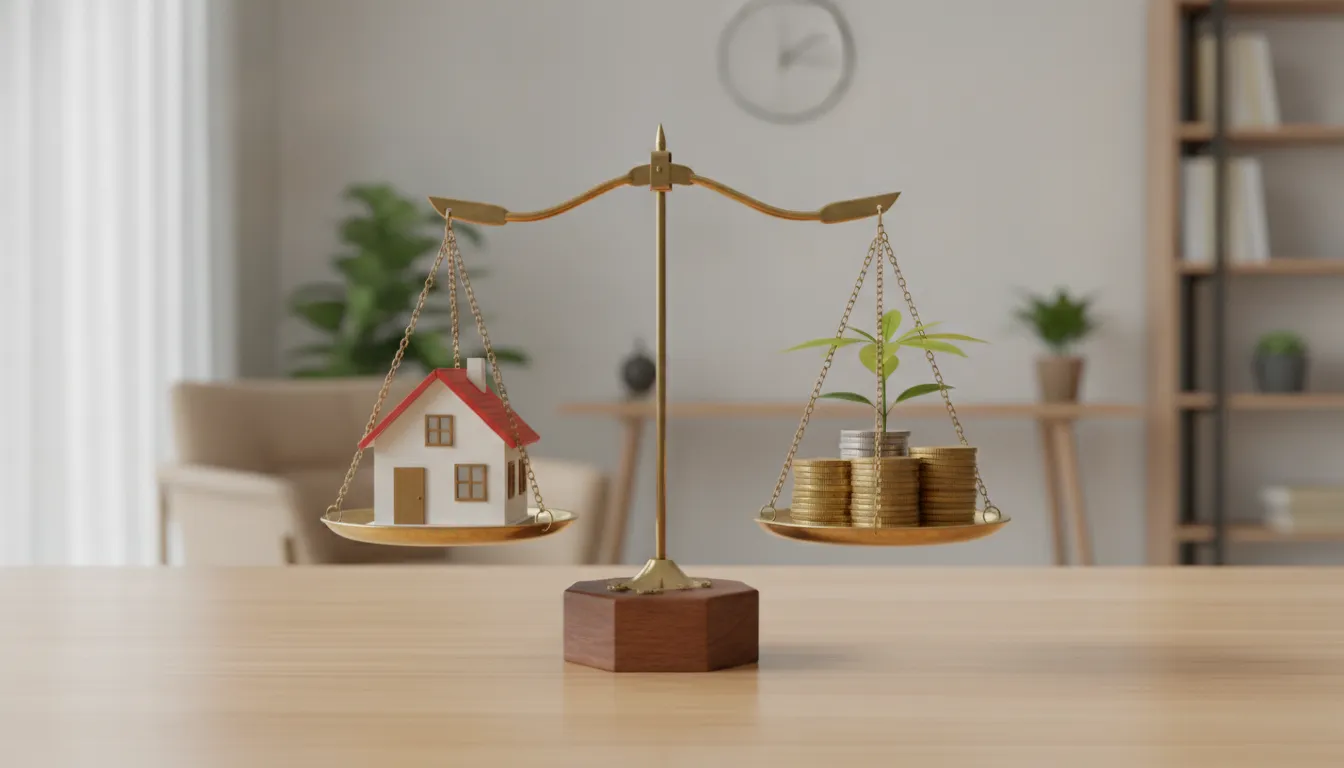
Over a decade, both renting and buying can build substantial wealth—but neither does so automatically. Buying rewards those who stay put, choose the right location, and can absorb the hidden costs of ownership. Renting rewards the disciplined investor who consistently channels their savings into appreciating assets. The real secret isn’t the roof over your head; it’s the strategy behind your dollars. Whichever path you choose, commit to it deliberately, invest the difference, and let a full decade of compounding do the heavy lifting.
