
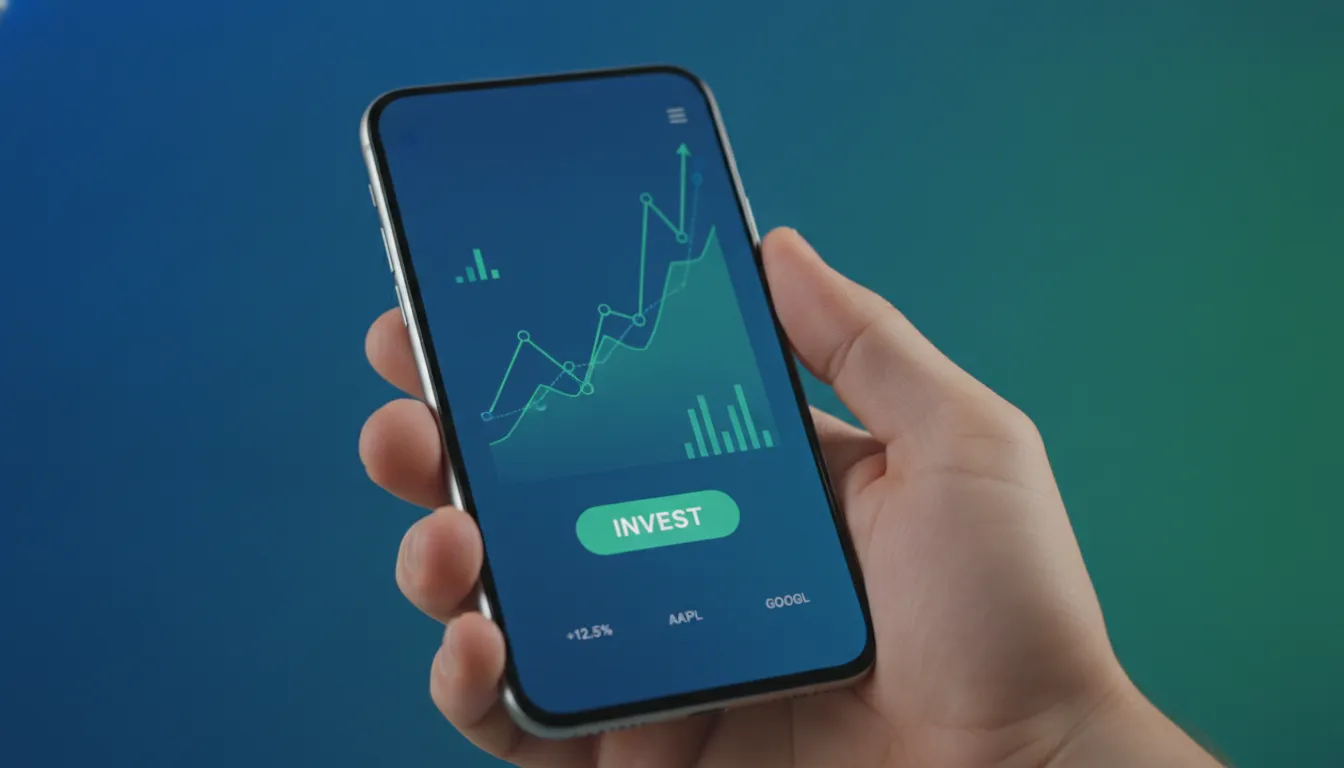
One Tap to Invest: How Modern Platforms Put the Market in Your Pocket
Not long ago, investing in the stock market required a phone call to a broker, a hefty minimum balance, and a level of financial knowledge that intimidated most ordinary people. Today, all it takes is a smartphone, a few minutes, and a single tap on a screen. The rise of modern investment platforms has fundamentally reshaped how people build wealth, breaking down barriers that once kept the market exclusive to the wealthy and well-connected. In this article, we explore how these apps and platforms have democratized investing, what makes them so powerful, and how you can use them wisely to grow your financial future.
The Democratization of Investing
For decades, Wall Street operated behind a velvet rope. Access to sophisticated investment tools, research, and even basic trading was reserved for those with substantial capital and established relationships with financial institutions. The average person often felt that investing was something reserved for professionals in suits, glued to multiple screens on a trading floor.
The digital revolution changed everything. Mobile-first platforms like Robinhood, eToro, and others introduced commission-free trading, fractional shares, and intuitive interfaces designed for beginners. Suddenly, someone with just five dollars could own a slice of a company like Apple or Amazon. According to the U.S. Securities and Exchange Commission, retail investor participation has surged dramatically in recent years, driven largely by the accessibility of these tools.
This democratization means that geography, income level, and prior experience are no longer insurmountable obstacles. A college student in a small town has access to the same markets as a hedge fund manager in Manhattan—at least in terms of entry.
What Makes Modern Platforms So Powerful
The appeal of these platforms goes beyond simply lowering the cost of trading. They combine several features that collectively make investing approachable and even enjoyable.
Fractional Shares
Perhaps the most transformative innovation is the ability to buy fractional shares. Instead of needing hundreds or thousands of dollars to purchase a single share of a high-priced stock, investors can now buy a fraction of that share. This allows people to build diversified portfolios with modest amounts of money, spreading their investments across multiple companies and sectors.
Automation and Robo-Advisors
Many platforms now include automated investing tools, often called robo-advisors. These use algorithms to build and manage a portfolio based on your risk tolerance and financial goals. For those who prefer a hands-off approach, these tools automatically rebalance portfolios and reinvest dividends, harnessing the power of consistency over time.
Educational Resources
Modern platforms recognize that empowered investors are loyal investors. As a result, they embed educational content—articles, videos, and tutorials—directly into their apps. This ongoing learning environment complements external resources. If you’re interested in accelerating your knowledge, consider exploring how investment workshops transform beginners into confident investors.
The Psychology of One-Tap Investing
The convenience of investing from your pocket is a double-edged sword. On one hand, it removes friction and encourages people to start early, which is crucial for long-term wealth building. On the other hand, the ease of trading can encourage impulsive behavior and overtrading.
Behavioral economists warn that the gamification of investing—complete with celebratory animations and push notifications—can trigger the same reward pathways as social media or gambling. Investors must be mindful of the difference between disciplined, long-term investing and reactive, emotion-driven trading. The key is to leverage the accessibility of these platforms while maintaining a strategic mindset.
One of the most important lessons any investor can internalize is patience. Wealth rarely comes from lightning-fast trades. Instead, it comes from steady, consistent contributions over years. To understand why time matters so much, read about the compounding effect and why time is your greatest ally in building lasting wealth.
Building a Balanced Portfolio from Your Phone
The tools may be modern, but the principles of sound investing remain timeless. A well-constructed portfolio balances growth potential with stability. Modern platforms make it easy to diversify across asset classes, including stocks, exchange-traded funds (ETFs), bonds, and even cryptocurrencies.
For those seeking stability, fixed income instruments play an important role. They offer predictable returns and help cushion a portfolio against the volatility of stocks. Learn more about the quiet power of fixed income and steady returns in an uncertain world.
Meanwhile, growth-oriented investors might focus on equities and index funds. A popular strategy is dollar-cost averaging—investing a fixed amount at regular intervals regardless of market conditions. This approach reduces the impact of volatility and removes the temptation to time the market, a notoriously difficult and often losing game.
Beyond the Markets: Creating Passive Income
Modern investment platforms aren’t limited to buying and selling stocks. Many allow you to invest in dividend-paying assets, real estate investment trusts (REITs), and other income-generating vehicles. These can form the foundation of a passive income stream that pays you even while you’re not actively working.
The idea of earning money without constant effort is deeply appealing, and it’s more achievable than ever with today’s tools. Discover how to turn everyday assets into a steady passive income stream and make money while you sleep.
Staying Informed in a Fast-Moving World
Successful investing requires ongoing education. The financial landscape evolves constantly, with new technologies, regulations, and market trends emerging all the time. Fortunately, staying informed has never been easier. Beyond in-app resources, investors can turn to reputable financial news outlets like Bloomberg and Investopedia for in-depth analysis and educational content.
Podcasts have also become a favorite medium for busy investors who want to learn on the go. Whether you’re commuting or exercising, you can absorb valuable insights. Check out how investment podcasts can sharpen your financial mindset.
Choosing the Right Platform for You
With so many options available, selecting the right platform can feel overwhelming. Consider factors such as fees, available assets, account types, security measures, and customer support. Some platforms cater to active traders, while others focus on long-term, passive investors.
Before committing, verify that the platform is regulated and that your investments are protected. In the United States, look for membership in the Securities Investor Protection Corporation (SIPC), which offers a layer of protection in case a brokerage fails. Reading independent reviews and testing the app’s interface can also help you make an informed decision.
Conclusion

The transformation of investing from an exclusive, intimidating activity into a simple, one-tap experience represents one of the most significant financial shifts of our era. Modern platforms have placed the power of the market directly into the hands of millions, empowering ordinary people to build wealth on their own terms. Yet, with this power comes responsibility. The tools are only as effective as the strategy and discipline behind them. By combining the convenience of these platforms with timeless investment principles—patience, diversification, and continuous learning—you can turn a smartphone into a genuine engine of financial growth. The market is now in your pocket; how you use it is up to you.
